On the Way to Pescatarianism & Beyond

Clean Eating, Personal

Before a few months ago, I would always say that I would never, EVER give up meat. I grew up eating some type of meat at every meal and loved it. Don’t get me wrong, I still do love meat (red meat especially), but something clicked in me one day and I started watching documentaries and videos about being vegetarian/vegan, the animal industry, and things of that nature. No one tried to force it in my brain or tried to persuade me, it just happened. As you may know, judging from this blog, I live a pretty healthy lifestyle and eat well to begin with, but I want to take my health to the next level and I think eliminating meat will definitely do that. I’ve started to eat less and less meat and soon will eliminate it completely. I’ll continue to eat fish and seafood, becoming a Pescatarian. I won’t say goodbye to my beloved sushi just yet! Side note: Some friends and I went to a Brazilian Steakhouse this past weekend and my body did not agree with the meat I consumed at ALL.

Like before a lot of things I do, I did some major research before legitimately deciding on the switch and boy, did I learn a lot! Disclaimer: The point of the post is not to try and persuade you to give up meat as well or to push my views on you, but to share my experience and why I made the choice. Here are some of the things I learned about animal agriculture and the benefits of not consuming meat.

It contributes to world hunger. The majority of crops grown worldwide go towards feeding livestock, not people.

I want more energy and better skin! Animal products clog arteries, zap your energy and slows down your immune system. A lot of people that I’ve read about or seen videos of have said that eliminating meat from their diets have made them feel more energized and has made a significant difference in how their skin looks and feels. I also get sick easily and often, so I’m hoping this will boost my immune system. Lord knows I need it!

Animal agriculture has a huge impact on the health of our planet & its inhabitants. It is extremely destructive to the planet as it is the single largest contributor of gas emissions. It is estimated to produce more greenhouse gases than the whole transportation industry combined! Lowering meat intake can have a huge impact on climate change. It is also the leading cause of land and water use, deforestation and species extinction. 2,000 gallons of water is needed to produce just 1 pound of beef! 

But, I NEED to eat meat for protein!! False. Did you know that broccoli actually contains more protein than beef? That and a lot of other plant-based foods! The average omnivore consumes 1.5 times the optimal amount of protein, mainly from animal products. Many people don’t think this would be a bad thing, but excess protein doesn’t make us stronger or leaner, it just stores as fat in our bodies or turns in to waste – which leads me to my next fact.

Animal protein is a major cause of weight gain, heart disease (leading killer in the US), diabetes, inflammation and cancer. Protein from whole plant foods protects us from many chronic diseases. Plants are naturally anti-inflammatory because they are high in fiber and antioxidants. Saturated fat found in animal products is a major driver in rising cholesterol levels, which is a key risk factor for heart disease. Animal protein impairs the way insulin functions, so eliminating it form your diet can dramatically lessen your chances of getting diabetes, especially by eating whole plant foods instead. This includes whole grain carbs, since they are highly protective against diabetes! Yes, good carbs!

Raise my chances at living a longer life. Studies show that people who consume saturated fat found in animals have a shorter life span and more disabilities at the end of their lives.

Besides all of the health benefits for myself and the planet, I just love animals! The more I think about it, the more it makes me sad to say how much I love animals (dogs, cows, pigs, whatever) and express how cute they are, but end up eating them. I get sad when I see an animal getting abused, but I still eat them? Especially when they’re coming from those inhumane slaughterhouses? That just doesn’t sit right with me.
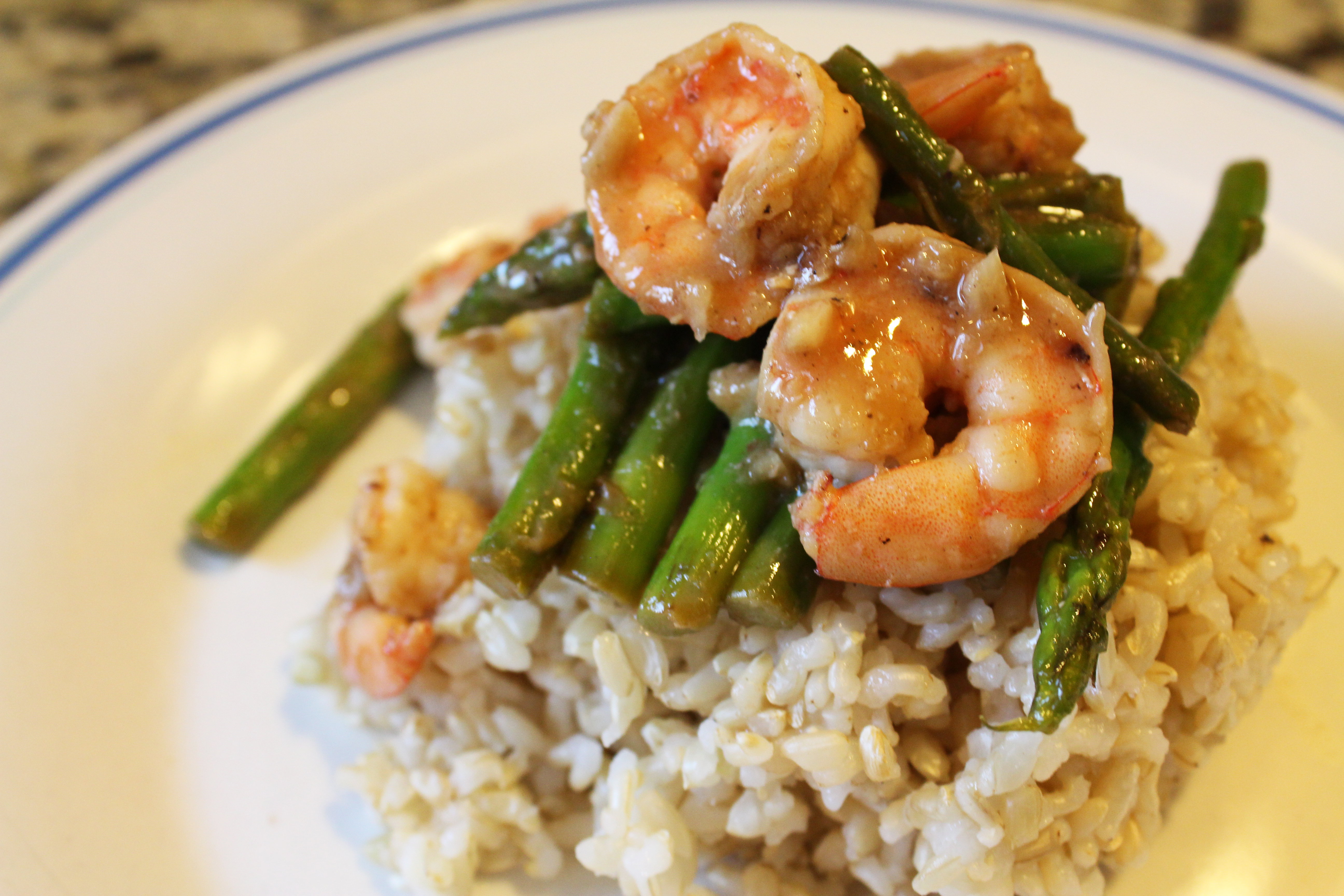
 

Lemon Shrimp & Asparagus Stir Fry

Clean Eating

IMG_4702

Trying to balance school and work while trying to stay physically active can be really tough, especially when I used to be able to cook meals every day. Thankfully, my boyfriend has become a great cook in midst of my (kinda sorta) absence from the kitchen. I can’t stay away for too long because I start getting an itch to cook. I find joy and relaxation in cooking and experimenting with new flavors. When I do come across a night where I can squeeze in some time to make dinner, I always try to cook something that isn’t time consuming or complicated. With that being said, I tried out something new and did a light stir fry with a simple lemon sauce. This literally took 15 minutes!

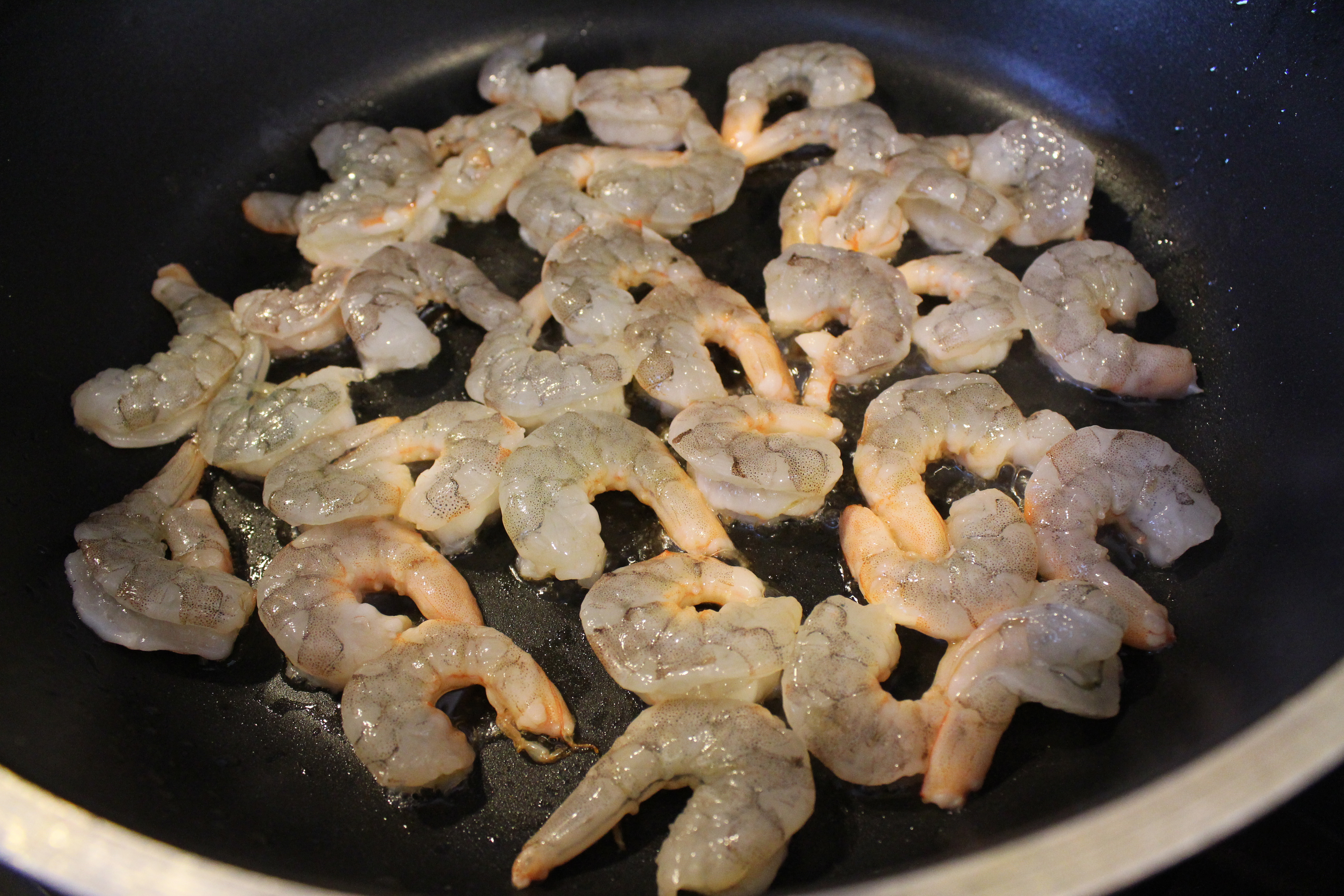
IMG_4689Heat 2 tablespoons of olive/coconut oil in a large frying pan over medium-high heat. Add shrimp, season with a little salt, and cook until slightly undercooked. Set aside.

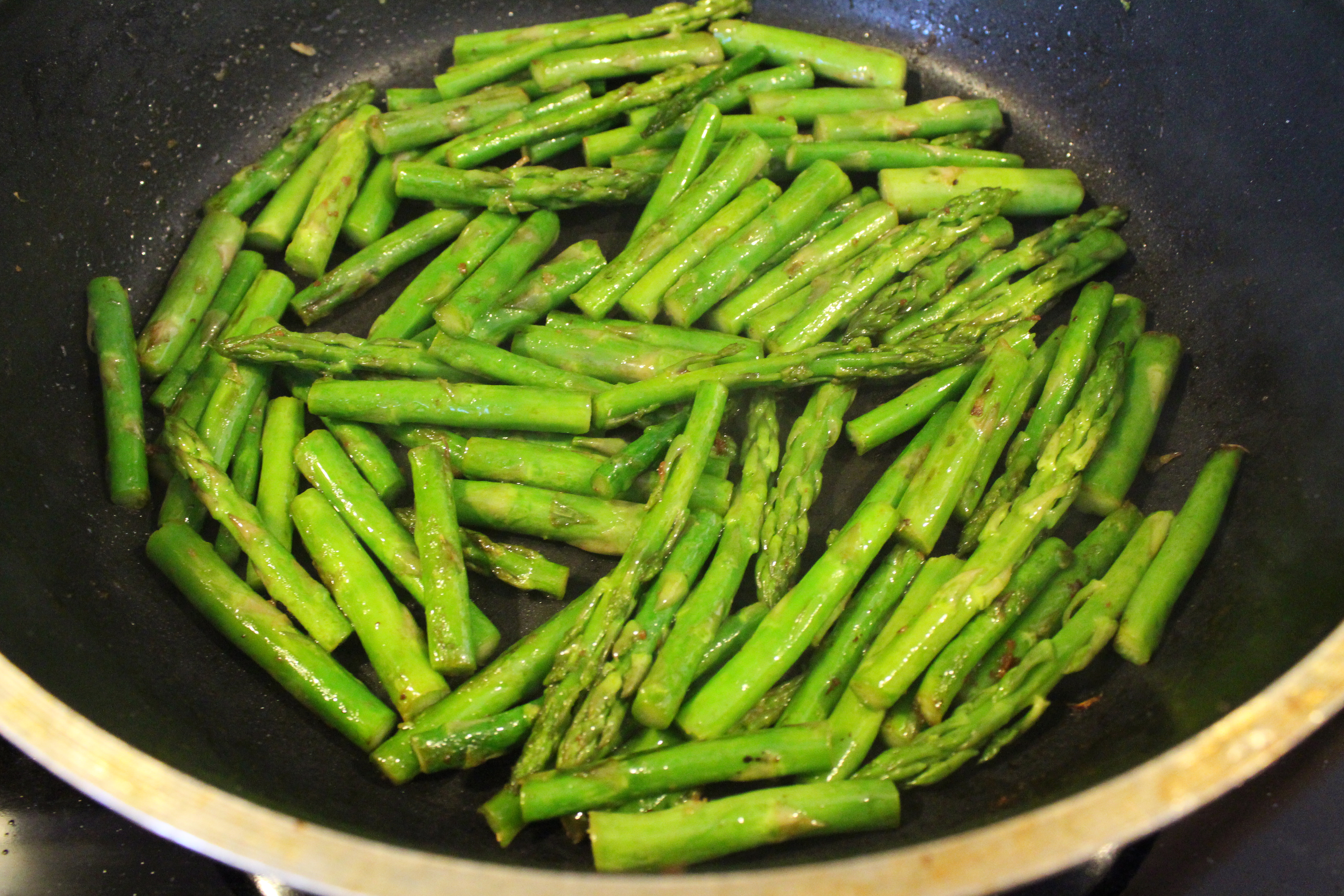
IMG_4692In the same frying pan, heat the other 2 tablespoons of oil and add the asparagus. Season with a little salt. Cook until they are a bright green color and are crisp and tender.

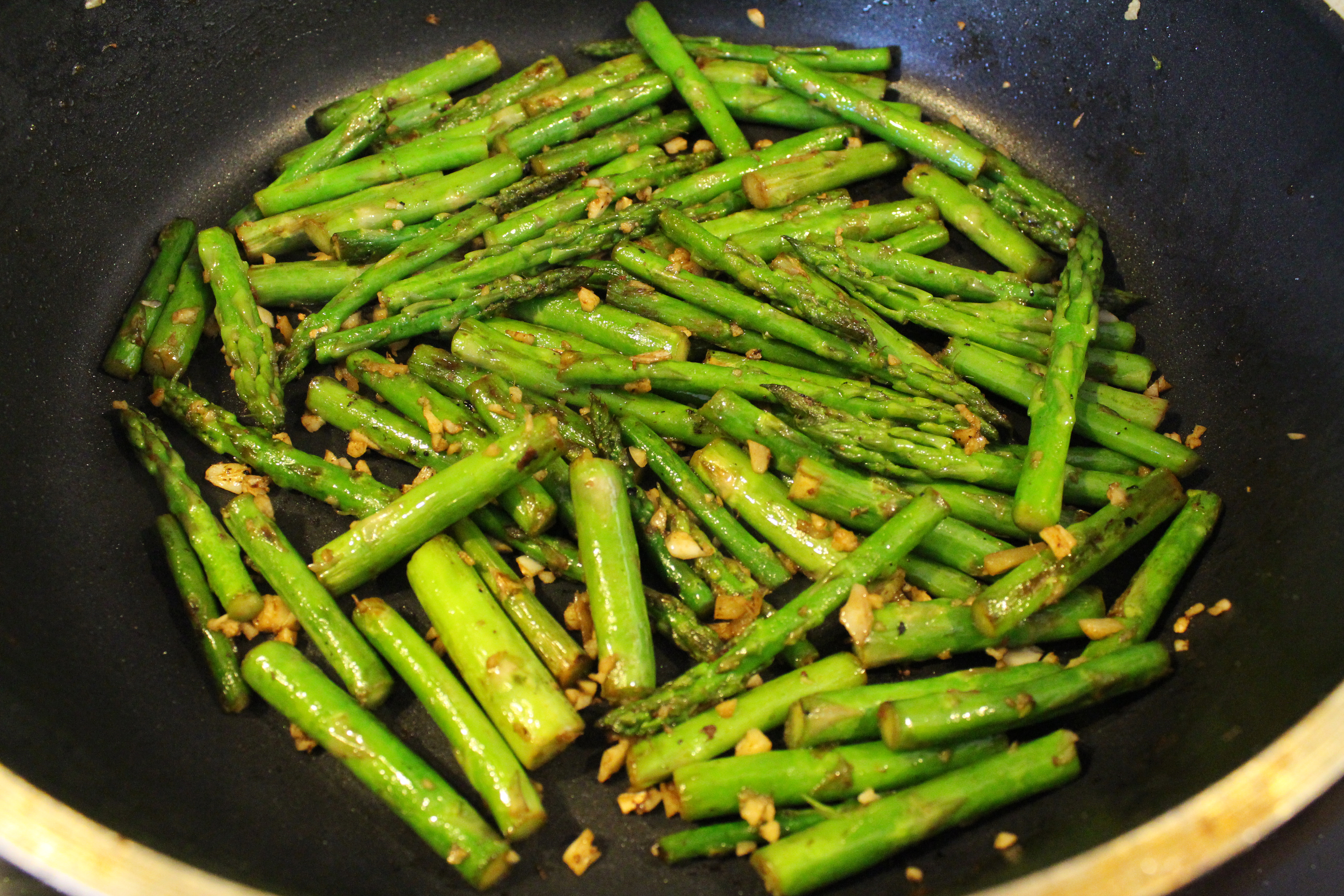
IMG_4693Add the garlic and ginger. Stir to combine with the asparagus and cook for another minute.

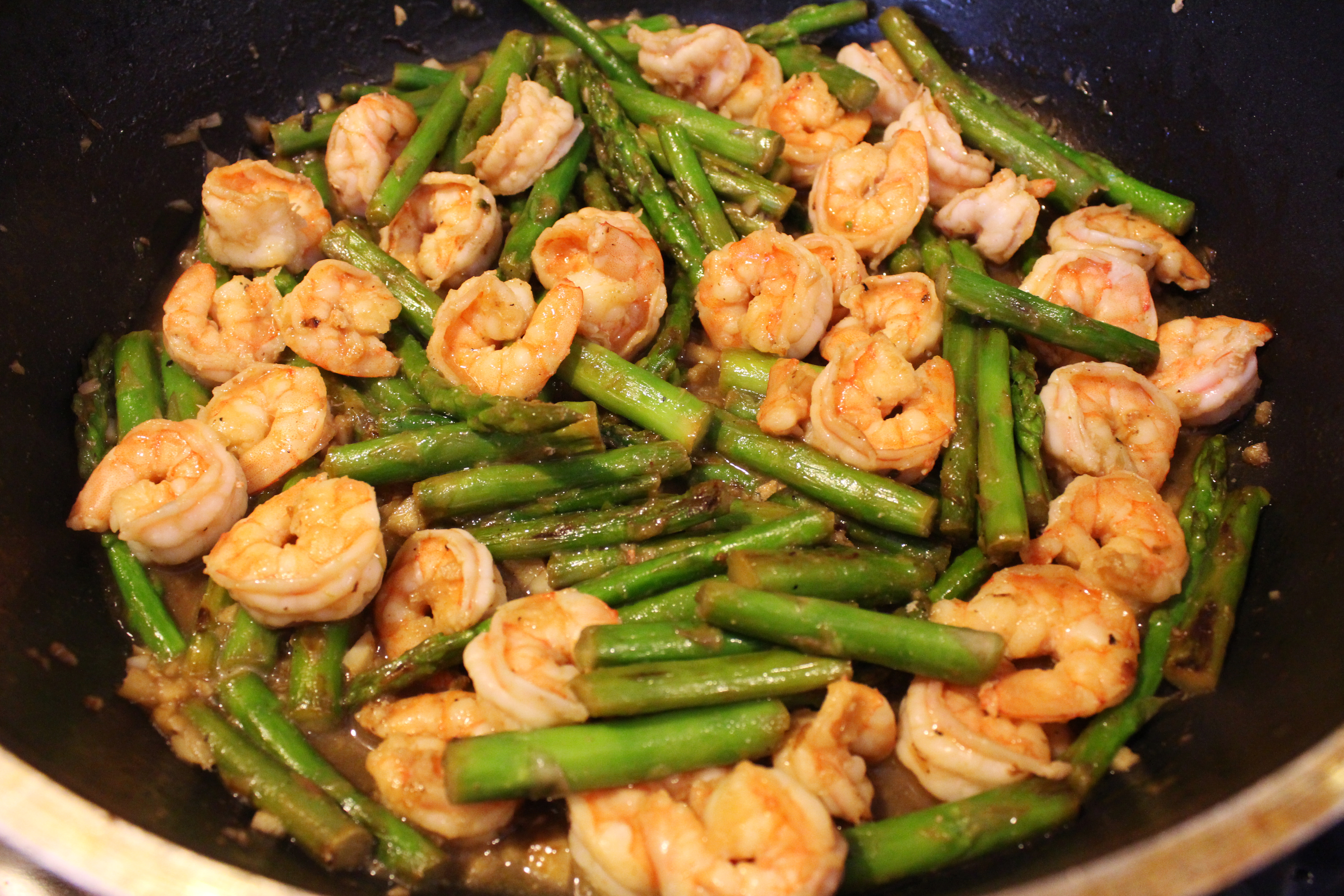
IMG_4698Add the shrimp back in to the pan along with the lemon sauce. Mix everything together and let it simmer for a couple minutes until the sauce is thickened. Now it’s ready to be served!

{Here’s what you’ll need:}

1 lb. shrimp, peeled and deveined

1 lb. asparagus, cut in to 2″ pieces and ends trimmed

3 large cloves of garlic, minced

1 teaspoon of ginger, minced

4 tablespoons of olive/coconut oil, divided in half

salt and pepper to taste

Lemon Sauce

2/3 cup chicken stock

1/4 cup lemon juice

1 tablespoon of low-sodium soy sauce

2 teaspoons of maple syrup or honey

1 tablespoon of cornstarch

{How to cook:}

In a small bowl, whisk together the ingredients of the lemon sauce and set aside. In a large frying pan or wok, heat 2 tablespoons of the oil over medium-high heat. Add the shrimp, season with a little salt and cook for about 3 minutes, just long enough to slightly under cook them. Remove them from the pan and set aside. In the same frying pan, heat the other 2 tablespoons of oil over medium-high heat and add the asparagus. Season with a little salt. Cook until they are a bright green color and are crisp and tender – about 4-5 minutes. Add the garlic and ginger. Stir to combine with the asparagus and cook for another minute. Add the shrimp back in to the pan along with the lemon sauce. Mix everything together and let it simmer for a couple minutes until the sauce is thickened. Enjoy!

Makes 3-4 servings.

Simple Substitutions for Healthier Eating

Clean Eating

When cooking and eating clean, I always try to find a way to make some of my favorite dishes – or some that I’m craving at the moment – with healthier ingredients. The trickiest thing is finding alternatives that won’t change the taste too much or make you feel like you’re eating cardboard. Who says you have to sacrifice flavor? Here are some of my favorite substitutions!

100% Whole Wheat for White Flour – I’ve said this in previous posts, but whole wheat flour and white flour have completely different nutritional values. White flour is made from heavily refined and processed grains, while whole wheat flour is made from grains that have not been through heavy processing. This means white flour does not contain nearly as much necessary fiber and vitamins as whole wheat flour does and can raise your blood sugar. When buying flour or anything made with flour, make sure it’s 100% whole wheat!

Brown Rice/Quinoa for White Rice – The same goes with brown rice/quinoa and white rice. White rice has more carbs and will not benefit you! Quinoa is one of the most protein packed foods you can eat and is full of nutrients as well.

Mashed Avocado for Mayo/Spread – Mayo or spreads, like butter, have high fat content and contain a lot of calories, sugar, and artificial ingredients. Instead, mash up some avocado and spread it on a piece of toast for a yummy snack or when making a sandwich! Avocados are a healthy fat and contain over 20 vitamins and minerals!

Natural Peanut or Almond Butter for Peanut Butter (Especially Reduced-Fat) – Just because something says reduced-fat, it doesn’t mean it’s the better choice! Reduced-fat versions of peanut butter can actually have more sugar and a long list of artificial additives. Natural peanut butter provides the same sweetness without all the extra junk.

Plain Greek Yogurt for Flavored Yogurt – Flavored yogurts are often packed with extra sugar. To skip the sugar intake, go for plain Greek yogurt and add fresh fruit and/or honey or 100% maple syrup for a hint of sweetness. Added bonus – Greek yogurt is a great source of protein!

Lettuce for Buns – This is pretty self-explanatory. When eating a burger, substitute the buns for lettuce instead. Buns are more dense, so they are higher in carbs.

Plain Greek Yogurt for Mayo – As explained earlier, mayo is high in fat content and calories, whereas Greek yogurt is not and is high in protein. When making something that requires me to mix in mayonnaise, I always sub in Greek yogurt. You can’t even tell the difference! It’s super versatile and you can use it to make toppings or dips by adding spices and herbs.

Ground Turkey for Ground Beef – Ground turkey is a great substitute for ground beef to cut down on saturated fat and calories. I am a fan of experimenting with making different types of burgers (versus your usual cheeseburger), so ground turkey definitely comes in handy. I also like cooking my chili or meatballs with it!

Non-Sweetened Soy or Almond Milk for Heavy Whipping Cream – Heavy whipping cream is high in fat, saturated fat, and calories. It is used in soups and sauces to create full-bodied flavor and thick consistency while adding unnecessary levels of fat and calories. Instead, substitute it with non-sweetened soy or almond milk and add a little whole wheat flour to thicken it up. Greek yogurt is also a great alternative.

Low-Sodium Soy Sauce for Standard Soy Sauce – The taste is basically the same, but using a low- or reduced-sodium soy sauce can cut down sodium intake by almost half. It is also a good substitute for salt – don’t use both in the same dish!